Everyday meals without making the routine complicated
Building a daily food routine in Kenya using familiar, home-cooked ingredients, maintaining mindful portions, and staying hydrated.
The foundation of a daily rhythm
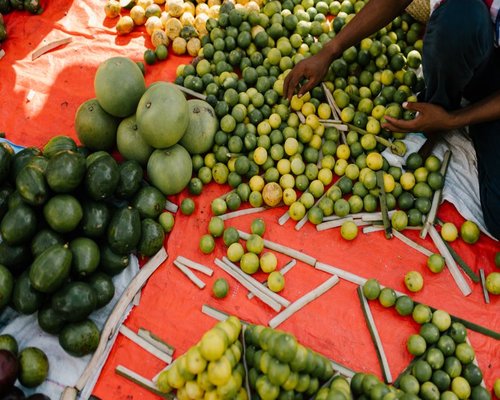
Eating well shouldn't feel like an impossible task amid busy weekdays. It is about embracing our local Kenyan food culture—visiting local markets for fresh vegetables and seasonal tropical fruits, and enjoying meals that provide sustained energy.
A more balanced daily rhythm starts with regular eating patterns. When you have a long commute or back-to-back office work, it is incredibly easy to miss lunch. Establishing a routine of having breakfast, a steady lunch, and a family dinner helps your body anticipate nourishment. This simple predictability supports better energy after meals and prevents you from feeling ravenous by evening.
Mindful Portions and Local Favorites
Our traditional foods like ugali, rice, and chapati are deeply satisfying and culturally important. The secret to everyday wellbeing isn't removing them, but focusing on pairing and mindful portions.
Balancing your plate with plenty of sukuma wiki, traditional vegetables, beans, or fish from Lake Victoria ensures that you feel comfortably full. When you eat a varied, well-proportioned plate, you remain energized for the rest of your workday without feeling heavy or lethargic.
Don't forget the small pauses. Kenyan coffee and morning tea are cherished daily rituals. Enjoying these moments mindfully provides a mental break, allowing your body to relax in the middle of a hectic morning.

Your Everyday Checklist
Simple reminders for a smoother daily food routine that you can easily follow, whether you are at home or working in the city.
- Include seasonal fruits like mangoes, bananas, or pawpaw as part of your day.
- Fill a good portion of your plate with vegetables at lunch and dinner.
- Keep a water bottle nearby—drink consistently, especially during the warm weather, not just when you feel very thirsty.
- Take time to sit down for family meals rather than always eating on the go.
- Choose a balanced kibanda meal or home-cooked food over highly processed kiosk snacks when possible.